
- 09/12/2025
- No Responses
Enroute strongly supports investment in sustainable transport, and the use of fiscal policies to encourage sustainable transport use. Treasury has a vital role to play in both taxation and government spending.
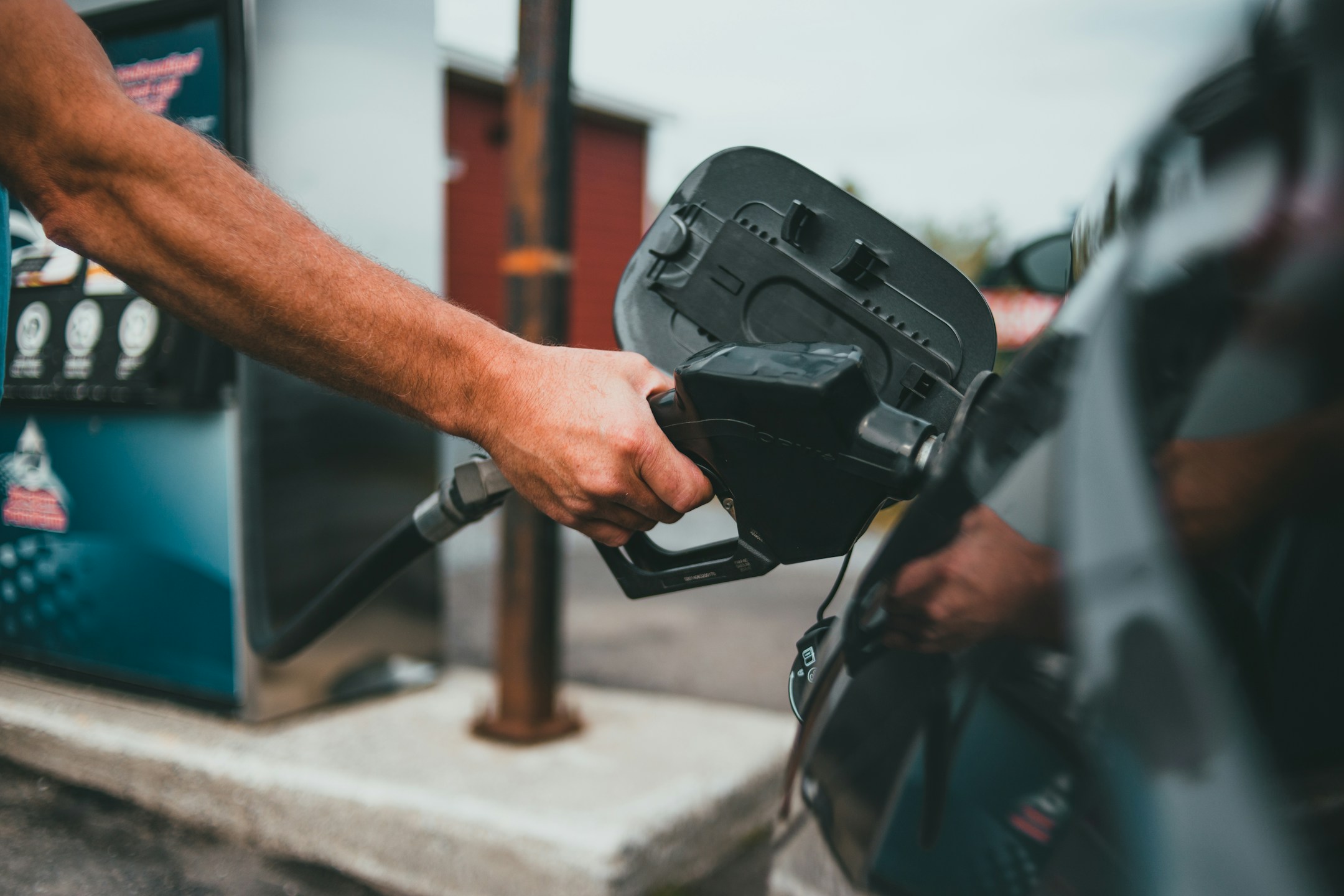
We strongly welcome the decision to end the indefensible 14 year fuel duty freeze, which has in effect cost over £130bn to date, overwhelmingly benefitting wealthier people who drive more, and undermining both efforts to encourage more public transport and active travel use, and efforts to shift from petrol and diesel to electric cars. Electric vehicles, however, still produce many of the same negative externalities as petrol and diesel cars, from air pollution due to break and tyre wear to urban congestion. That’s why we strongly welcome the decision to introduce mileage charges for electric vehicles, rightly calibrated to cost drivers less than fuel duty, and brought in from 2028. In the same vein, we strongly welcome the freezing of rail and bus fares, with the £3 bus fare cap extended to 2027. Together, these three policies form a coherent strategy to use the power of cost to rebalance people’s incentives when it comes to transport.
However, this is not enough. When it comes to infrastructure investment (both direct Government spending and attempts to steer private investment), the Government are continuing to prioritise the wrong projects, from Heathrow Airport expansion to the Lower Thames Crossing. Both projects will increase carbon emissions at a time when we cannot afford them. The devastating effects of climate change, in the long term, will cost UK plc many times more than the ‘growth’ such projects will produce, not to mention its ruinous effects on our society. It has never been more urgent to pivot funding towards sustainable transport modes, including rail, bus and active travel. Much of this much-needed funding uplift would be best delivered through increased devolution to local and combined authorities, empowering democratically accountable local leaders to invest in sustainable transport needs in their areas.
